Alphabet and number recognition isn’t really a toddler milestone in the same sense as walking or talking — it’s more of a slow-building familiarity that starts well before a child can actually read or count meaningfully. The toys in this category work best as repeated, low-pressure exposure rather than formal lessons. Here’s what’s genuinely useful, split between hands-on tactile options and interactive electronic ones.
Hands-On Letter Shapes
Physically handling letter shapes — not just seeing them — helps build the motor memory that later supports writing.
Melissa & Doug Magnetic Letters & Numbers Bundle
A set of 89 wooden magnets across two storage crates — 52 upper- and lowercase letters plus 32 numerals — sized and shaped for toddler hands to sort, line up, and stick to any magnetic surface.
Electronic Letter Toys
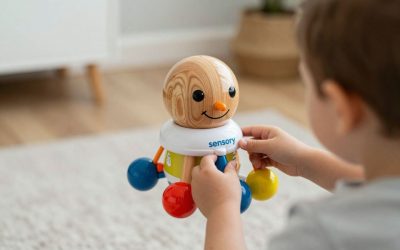
For toddlers who respond well to sound and repetition, electronic letter toys pair the visual shape with spoken names, phonics sounds, and example words.
VTech ABC Learning Apple
An apple-shaped toy with 26 light-up letter buttons for ages 2 to 5, teaching letter names, phonics sounds, and real-word examples like “A is for apple” — the apple shape and handle make it easy for a toddler to carry around rather than leaving it on a table.
LeapFrog Match and Learn Cookies
26 colorful letter-shaped cookie pieces that teach letter names, sounds, colors, and matching, framed as a cookie-jar game rather than a flashcard-style drill.
Building-Block Alphabet Toys
Combining letters with the building-block format gives toddlers a reason to handle each letter individually rather than just pressing a button.
LeapFrog Smart Building Blocks
Interactive blocks that respond when placed in a connected base, announcing the letter and a word that starts with it — functions as a building set first and an alphabet toy second, which keeps toddlers engaged after the novelty of the sound wears off.
Hape Alphabet Train Set
A pull-along wooden train with 26 letter-shaped cars that connect end to end, giving toddlers a reason to physically order and sequence letters as part of normal train play rather than as a standalone recognition exercise.
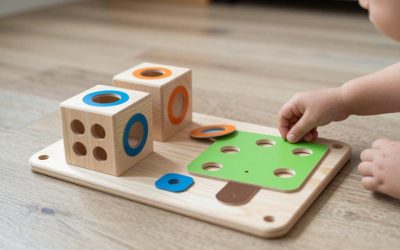
Number-Focused Puzzles
Numbers tend to need a slightly different approach than letters since there’s also a counting/quantity concept layered on top of shape recognition.
Melissa & Doug Wooden Number Puzzle
A chunky wooden puzzle where toddlers feel the shape of each number while placing it in its matching slot, reinforcing number recognition through touch rather than sight alone.
Learning Resources Counting Cookies
A set of felt cookie pieces with numbered toppings designed for counting and one-to-one correspondence practice, paired with a storage jar — a tactile counting activity that pairs naturally with the LeapFrog Match and Learn Cookies’ letter-focused format above.
Alphabet Through Play, Not Drills
Magnetic fishing games built around letters turn alphabet exposure into a motor-skill game rather than a recognition task on its own.
Coogam Wooden Magnetic Alphabet Fishing Game
A fishing-rod game using magnetic letter ‘fish,’ combining fine motor practice (aiming the rod, lifting the piece) with incidental letter exposure every time a piece is caught.
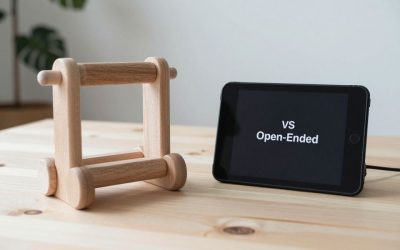
Electronic vs Hands-On for This Specific Skill
For letter and number recognition specifically, there’s reasonable evidence that physically manipulating shapes (wooden letters, magnetic numbers, puzzle pieces) builds recognition at least as well as electronic toys that do the talking, partly because the toddler is doing more of the cognitive work themselves rather than just listening. Electronic toys tend to be stronger for vocabulary and phonics sounds specifically — hearing “B says buh” repeated correctly and consistently is something a parent saying it occasionally can’t quite match in volume of repetition.
A practical approach that works for a lot of families is layering both types rather than choosing one category exclusively. Keep a hands-on set like the Melissa & Doug magnetic letters or the wooden number puzzle out and accessible for everyday open-ended play, and bring out an electronic toy like the VTech ABC Learning Apple or LeapFrog Match and Learn Cookies for specific moments — car rides, waiting rooms, or whenever a quieter solo activity is useful — rather than treating the electronic toy as the primary learning tool. That split tends to get the real cognitive benefit of hands-on manipulation most of the time while still getting the consistent phonics repetition electronic toys are genuinely good at.
FAQ
At what age should alphabet toys actually start?
Simple letter and number exposure toys work from around 18-24 months, though genuine letter-sound learning (phonics) usually clicks more between ages 3-4. Earlier exposure isn’t wasted, but it’s more about familiarity than functional literacy at the toddler stage.
Should I worry if my toddler isn’t interested in letters yet?
Not at the toddler stage — interest in letters and numbers varies enormously by child and isn’t a reliable predictor of later reading ability. Rotating in a letter toy occasionally without pressure tends to work better than frequent formal “lessons.”
Do electronic alphabet toys need a volume or shutoff control?
It’s worth checking — toys that play continuously or at a fixed loud volume get turned off and abandoned faster than ones with adjustable volume or an auto shutoff after inactivity.
Is it better to teach letter names or letter sounds first?
Most early-childhood guidance doesn’t require strict sequencing at the toddler stage — exposure to both names and sounds through play (as the VTech and LeapFrog toys above do) is fine; formal sequencing matters more once a child is closer to preschool reading readiness.
Write Your Review
No reviews yet. Be the first to share your experience!