The cloth-vs-disposable debate comes up for almost every new parent at some point, usually driven by cost, environmental concerns, or a baby with sensitive skin. Neither option is objectively “better” — they trade off differently on time, money, and convenience. Here’s a straightforward look at both sides with real products to consider.
The Honest Trade-offs
Cloth diapers cost more upfront but can be reused for years and across multiple children, which usually makes them cheaper over time if you’re willing to do the extra laundry. Disposable diapers cost less upfront per diaper but add up as a recurring expense for as long as your child is in diapers, and they’re single-use. Many families land on a hybrid approach — cloth at home, disposables for daycare or travel.
Top Cloth Diaper Options
1. Thirsties Natural One Size All-In-One Diaper
Thirsties’ all-in-one design is popular specifically because it goes on like a disposable diaper — no separate insert-stuffing step — while still being fully reusable.
Pros: No stuffing required; one-size design grows with baby; strong absorbency for an all-in-one.
Cons: All-in-ones generally cost more per diaper than pocket-style cloth diapers.
2. bumGenius Freetime All-In-One Cloth Diaper
bumGenius is one of the longest-running names in modern cloth diapering, and the Freetime line is their no-stuffing all-in-one option.
Pros: Established brand with widely available replacement parts; double sewn-in liners; machine washable.
Cons: Can take longer to fully dry than pocket-style diapers.
3. Mama Koala 3.0 Pocket Diapers
Mama Koala is consistently named a top budget pick for parents trying cloth diapering for the first time without a large upfront investment.
Pros: Noticeably cheaper per-diaper cost than premium all-in-ones; wide range of prints; adjustable snap sizing.
Cons: Pocket style requires stuffing an insert before each use, adding a small daily step.
3b. Alva Baby Pocket Cloth Diapers
Alva Baby is another frequently recommended entry-level pocket diaper brand, often bundled in large multi-packs that make it one of the cheapest ways to assemble a full cloth diaper starter stash.
Pros: Very low per-diaper cost in bulk packs; wide print selection; adjustable one-size snaps.
Cons: Lower-cost materials can wear out faster over years of heavy use than premium brands.
Top Disposable Diaper Options
4. Pampers Swaddlers Diapers
Pampers Swaddlers is the most consistently top-ranked disposable diaper across independent review sites, cited for reliable leak protection and broad availability.
Pros: Available virtually everywhere; consistent fit across sizes; good value at larger box counts.
Cons: Not the softest or most “natural” option if sensitive skin is the main concern.
5. Huggies Little Snugglers Diapers
Huggies Little Snugglers is the brand’s newborn-focused line and is frequently rated highest for absorbency in side-by-side testing against Pampers.
Pros: Strong absorbency, especially for newborns; umbilical cord cutout on smaller sizes; widely stocked.
Cons: Sizing can run slightly differently than Pampers, so it’s worth buying a small pack first.
6. Pampers Pure Protection Diapers
Pure Protection is Pampers’ hypoallergenic line, made without the fragrance or chlorine bleaching some parents want to avoid for sensitive skin.
Pros: Hypoallergenic materials; softer texture than standard Swaddlers; still widely available.
Cons: Costs more per diaper than standard Pampers Swaddlers.
7. The Honest Company Clean Conscious Diapers
The Honest Company’s line is frequently chosen by parents specifically looking for a plant-based disposable diaper with a print-forward design, positioned between standard mainstream diapers and premium eco-focused brands on price.
Pros: Plant-based materials marketed as gentler on skin; wide range of prints; sold at most major retailers alongside mainstream brands.
Cons: Some parents report slightly less consistent absorbency than Pampers or Huggies for overnight use.
Buying Tips
If you’re cloth-diapering, budget for a full starter set (typically 20-24 diapers) so you’re not doing laundry every single day, and check your washer/dryer setup can handle the recommended wash routine before committing. If you’re going disposable, buying a small pack in a couple of sizes before committing to a case is the easiest way to avoid a surprise poor fit or leak issue specific to your baby’s shape.
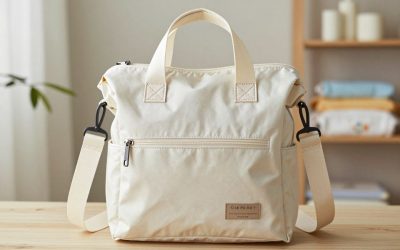
Time investment is the trade-off that catches a lot of first-time cloth-diapering parents off guard, since the diapers themselves are only part of the routine. Beyond the extra laundry loads, cloth diapering typically means more frequent changes (since cloth is generally less absorbent than disposable gel-core materials), a dedicated wet bag or pail for storage between washes, and a specific wash routine — usually a cold rinse followed by a hot wash with diaper-safe detergent — that needs to be followed consistently to avoid buildup or odor issues. None of this is difficult, but it is worth being honest about the added weekly time commitment before assuming cost savings alone make the decision.
FAQ
Is cloth diapering actually cheaper?
Usually yes over the full diapering period (roughly 2-3 years), but the math depends heavily on water/electricity costs for washing and whether you reuse the set for a second child.
Can I use cloth diapers at daycare?
Many daycares accept them, but policies vary — check with your specific provider, since some require disposables for staff simplicity.
Do disposable diapers cause more diaper rash than cloth?
Not inherently — rash is usually more about change frequency and skin sensitivity than material, though some babies do respond better to one type over the other.
How many cloth diapers make up a full starter stash?
Most guides suggest 20-24 diapers to wash every one to two days without running out, though exact numbers depend on how often your washer runs and how many changes your baby needs per day.
Are plant-based or “natural” disposable diapers worth the extra cost?
It depends on your priorities — brands like Pampers Pure Protection and The Honest Company remove certain fragrances or use different base materials, which some parents with sensitive-skin babies find worthwhile, but standard mainstream diapers are also considered safe and effective for most babies.


Write Your Review
No reviews yet. Be the first to share your experience!