A dedicated changing station saves your back and keeps diapering supplies organized in one place, whether that’s a standalone changing table or a changing pad placed on top of a dresser. The two most important factors are a secure, well-fitted pad and a safety strap — babies can roll and push off surfaces much earlier than parents expect. Here’s a real-world comparison of changing tables and pads currently on the market.
1. Delta Children Eclipse Changing Table
The Eclipse is a frequently recommended standalone changing table, JPMA certified and sold with a changing pad included. It includes open shelving underneath for baskets or bins, which helps keep diapers, wipes, and creams within arm’s reach.
Pros: JPMA certified; pad included; open storage shelves.
Cons: Takes up dedicated floor space; limited to the changing years before it needs repurposing.
2. Keekaroo Peanut Changer
The Keekaroo Peanut is a wipeable, non-porous foam-free changing pad that doesn’t require a cloth cover — you just wipe it down, which a lot of parents prefer for hygiene and convenience over fabric-covered pads that need frequent washing.
Pros: No cover needed, wipes clean directly; durable non-porous material; widely used for years.
Cons: Higher price than a standard foam pad; firmer surface than some babies’ parents expect.
3. Dream On Me Clover 3-in-1 Changing Table
Dream On Me’s compact changing tables are built from solid pine and designed to be smaller than typical changing stations, which helps in nurseries with limited floor space. Some versions convert into a desk or shelf after the diapering years.
Pros: Compact footprint; solid wood construction; converts for continued use later.
Cons: Smaller surface area means less room for supplies during a change.
4. Munchkin Secure Grip Changing Pad
For parents who’d rather use a dresser top than buy a dedicated table, the Munchkin Secure Grip pad is a long-running, budget-friendly option with a contoured shape and non-slip bottom designed to stay put on furniture.
Pros: Low cost; non-slip grip base; fits most standard dresser tops.
Cons: Still requires measuring your dresser carefully, since fit varies by furniture.
5. Skip Hop Pronto Signature Changing Pad
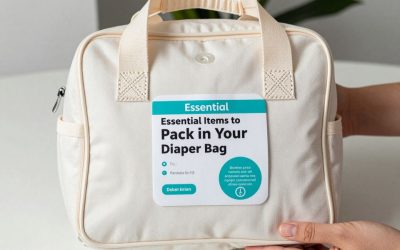
This is a portable, foldable changing pad designed for diaper bags and travel rather than a fixed nursery station, with built-in pockets for a few diapers and wipes.
Pros: Folds flat for travel; built-in storage pockets; wipeable material.
Cons: Not a substitute for a padded home changing surface for daily use.
6. Babyletto Tuba 4-in-1 Changing Table Dresser
The Babyletto Tuba combines a full dresser with a removable changing tray on top, so once the diapering years are over, the changing tray lifts off and the piece functions as a standard dresser rather than becoming dead-weight nursery-only furniture.
Pros: Doubles as long-term dresser storage; removable changing tray; matches many convertible crib lines visually.
Cons: Higher price than a standalone changing table; heavier to move once assembled.
7. Summer Infant Contoured Changing Pad
Summer Infant’s contoured pad is a widely available budget option with raised side bolsters designed to reduce a wiggling baby’s ability to roll toward the edge, paired with a soft, machine-washable cover for easier cleanup than a wipe-only surface.
Pros: Raised bolster sides; machine-washable cover; low price point.
Cons: Cover needs regular washing compared to wipeable non-porous pads.
Buying Tips
Always use the safety strap, even for newborns who can’t roll yet — habits formed early make it automatic later when mobility increases. If you’re placing a pad on a dresser rather than buying a dedicated table, measure the dresser top and compare it to the pad’s base dimensions, not just the cushioned top, since bases vary in width. A wipeable, non-porous pad like the Keekaroo style cuts down on laundry, while a traditional foam pad with a soft cover tends to be more comfortable for a squirmy baby during longer changes.
It is also worth thinking about height and reach before settling on a surface, since diaper changes happen a dozen or more times a day and a station that is too low will take a real toll on your back over months of use. A dresser-top setup should put the pad somewhere around hip to lower-waist height for the primary caregiver, and if two caregivers of noticeably different heights will be doing changes regularly, it is worth testing the height with both people rather than optimizing for just one.
FAQ
Do I need a dedicated changing table, or is a pad on a dresser enough?
A pad on a sturdy, appropriately sized dresser works fine for most families and saves space — a dedicated table is mainly useful if you want built-in storage specifically for diapering supplies.
How often should I replace a changing pad?
Replace it once the surface becomes cracked, torn, or the strap no longer latches securely — a compromised surface can be a fall risk.
Is a travel changing pad necessary if I have one at home?
It’s a convenience item rather than a necessity, but it’s useful once you’re changing diapers regularly away from home, such as at daycare drop-off or on trips.
What’s the benefit of a convertible dresser-style changer like the Tuba?
It avoids buying furniture that becomes useless once diapering ends — the changing tray lifts off and the dresser keeps earning its space in the room for years afterward, which can offset the higher upfront price compared to a dedicated changing table.
Should the changing strap be used even for a brand-new newborn?
Yes — building the habit of strapping in every single time from day one means it’s automatic later, once your baby is older, stronger, and genuinely capable of rolling or pushing off the pad unexpectedly.


Write Your Review
No reviews yet. Be the first to share your experience!