Key takeaways
- Navigating stairs, narrow store aisles, or crowded events where a stroller is a liability
- Short errands where unfolding and folding a stroller takes longer than the errand itself
- Soothing a fussy newborn who settles with close contact and motion
- Hiking or uneven terrain where stroller wheels can’t go
This isn’t really an either/or decision — most families end up owning both and reaching for whichever fits the specific outing. But if you’re trying to figure out which to buy first, or which to grab on your way out the door, it helps to know what each one is actually better at.
What a Baby Carrier Does Better
Carriers keep your hands free, which matters more than it sounds like until you’re trying to carry groceries, hold a toddler’s hand, and manage a baby at the same time. They’re faster to use for quick errands (no unfolding, no fitting through narrow doorways), work on terrain strollers can’t handle (stairs, hiking trails, crowded events), and the close physical contact is genuinely soothing for a lot of babies, especially newborns adjusting to the outside world.
Ergobaby Omni 360 Baby Carrier
An all-position carrier (front-facing-in, front-facing-out, hip, and back) that’s designed to fit newborns down to 7 lbs without a separate infant insert, which is a common pain point with other carriers.
Baby Bjorn Harmony Carrier
A structured ergonomic carrier with adjustable back support, aimed at parents who want a carrier that’s quick to put on and take off for shorter wearing sessions throughout the day.
What a Stroller Does Better
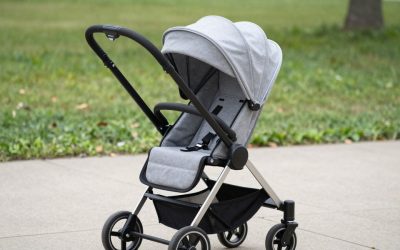
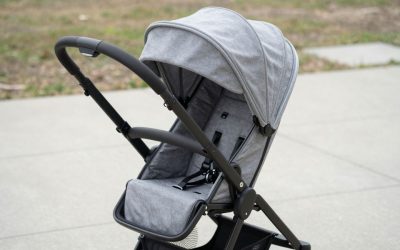
Strollers take the physical weight off your body entirely, which matters a lot on long outings or as babies get heavier — wearing a 25-lb toddler for three hours at a museum is a different experience than pushing them. They also give babies and toddlers a place to nap flat or reclined, offer storage for the inevitable pile of gear a day out requires, and keep baby more insulated from direct sun, wind, or crowds via a canopy.
UPPAbaby Vista V2 Stroller
A modular system stroller that can expand from a single bassinet/seat setup to a double stroller with add-on attachments, useful for families planning more than one child close in age.
Baby Jogger City Mini GT2 Stroller
A lightweight all-terrain stroller with a one-hand fold, often recommended for parents who want something less bulky than a travel system but still capable on uneven sidewalks and light trails.
When a Carrier Is Clearly the Better Pick
- Navigating stairs, narrow store aisles, or crowded events where a stroller is a liability
- Short errands where unfolding and folding a stroller takes longer than the errand itself
- Soothing a fussy newborn who settles with close contact and motion
- Hiking or uneven terrain where stroller wheels can’t go
When a Stroller Is Clearly the Better Pick
- Long outings (museums, zoos, airports) where carrying weight for hours isn’t realistic
- Trips requiring a lot of gear storage (diaper bag, shopping, extra layers)
- Letting an older baby or toddler nap flat during the outing
- Any situation where your back or shoulders need a break from carrying weight
The Hybrid Option: Travel Systems
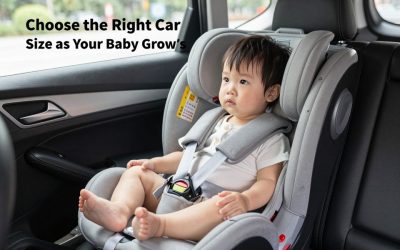
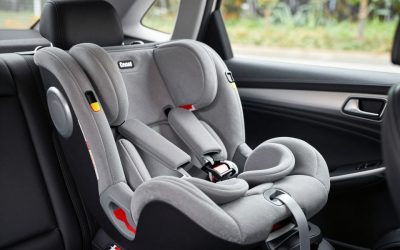
Some products try to bridge both worlds, though they don’t fully replace either. A few families use an infant car seat that clicks into both a stroller frame and doubles as part of a carrier-adjacent setup for very short trips, though this isn’t the same as true babywearing.
Doona Infant Car Seat and Stroller
A car seat with built-in fold-out wheels, letting it convert directly into a stroller frame without a separate base — useful for travel or quick trips where swapping systems is inconvenient.
The Honest Bottom Line
If you can only buy one thing first, think about your actual daily routine: a parent doing mostly city errands and transit benefits more from a carrier first; a parent doing longer outings with lots of gear benefits more from a stroller first. Most families end up buying both within the first year regardless, so there’s no wrong starting choice — just the one that matches what the next few months actually look like.
FAQ
Is it safe to use a carrier with a newborn?
Yes, as long as the carrier supports the newborn’s hip and spine position correctly (knees higher than bottom, chin off the chest) — check the manufacturer’s minimum weight and age guidance for the specific carrier.
Can a stroller replace a carrier entirely?
Not fully — strollers can’t navigate stairs, tight aisles, or uneven hiking terrain, and they don’t provide the same soothing physical contact a carrier does.
Which is better for twins?
A double stroller is generally more practical for twins day-to-day, though some parents use a single carrier plus a stroller to split the load between two caregivers.
Do I need to buy a new carrier as my baby grows, or does one last through toddlerhood?
It depends on the model — some carriers are built as “one size” systems meant to adjust from newborn through toddler, while others are sized more narrowly for a specific weight range. Checking the manufacturer’s stated weight range before buying avoids needing a second carrier sooner than expected.




Write Your Review
No reviews yet. Be the first to share your experience!