Baby skin is thinner and more reactive than adult skin, which is why pediatricians and dermatologists generally recommend different laundry habits for baby clothes than for the rest of the household wash. It’s not about being precious — it’s about reducing residue and irritants on fabric that sits against sensitive skin all day. Here’s what actually matters.
Do New Clothes Need Washing Before First Wear?
Yes. New clothing can carry manufacturing residues, formaldehyde-based finishing chemicals, and dye excess, plus whatever it picked up in shipping and store handling. Wash everything — including gift items — before baby wears it for the first time.
Choosing a Detergent
The main thing to avoid is heavy fragrance and optical brighteners, which are common irritants for sensitive newborn skin. “Free and clear” or baby-specific detergents are formulated to skip these.
Dreft Stage 1: Newborn Baby Laundry Detergent
A dedicated baby detergent frequently cited in reviews for removing common baby stains like formula and baby food while staying hypoallergenic.
Babyganics 3X Baby Laundry Detergent
Free of optical brighteners, chlorine, phthalates, sulfates, and dyes, aimed specifically at tough stains without the ingredients commonly flagged as skin irritants.
Pre-Treating Stains Before They Set
Baby stains — formula spit-up, pureed food, diaper blowouts — set fast and get harder to remove the longer they sit. Treating a stain before it goes into the wash (rather than hoping the detergent alone handles it) makes a real difference.
Puracy Natural Baby Stain Remover
A spray-on spot treatment aimed specifically at fresh spills and diaper-related stains, meant to be applied before the item goes into the wash rather than as a substitute for washing.
Washing: Temperature and Separation
Warm water (not always hot) is usually enough for routine baby laundry and is gentler on fabric over time; reserve hot water for genuinely soiled items like cloth diapers. Keep baby clothes in their own load, separate from adult clothing, at least for the first several months — this limits cross-contamination of detergent residue, pet hair, and adult-strength fragrance onto baby’s more sensitive fabric.
Delicate items — footed pajamas with embellishments, anything with snaps or embroidery — benefit from a mesh laundry bag, which prevents snagging and stretching in the wash.
Simple Houseware Mesh Laundry Bags (Set)
A set of zippered mesh bags in multiple sizes, useful for washing delicate baby items, bibs, and small accessories without them getting tangled or damaged in the machine.
Drying: Air-Dry When Possible
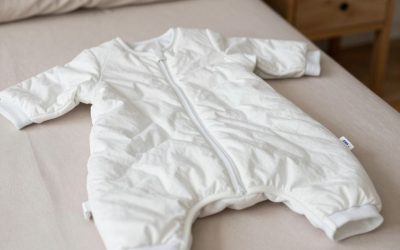
High dryer heat breaks down elastic (in waistbands and footie pajamas) and can shrink natural fibers like cotton faster than air-drying. A low-heat or air-dry setting, especially for items with elastic or snug-fitting sleep sacks that need to maintain their fit (critical for sleep-safety-rated swaddles), extends the usable life of baby clothing meaningfully.
What About Flame-Resistant Sleepwear?
Pajamas labeled flame-resistant are treated to meet that safety standard, and using fabric softener or dryer sheets on them can reduce that flame-resistant property over repeated washes on some fabric types. Check the garment’s care label — many brands specifically say to skip fabric softener on sleepwear for this reason.
Storage: Folding vs Hanging
Most baby clothing holds its shape fine folded in a drawer, but anything with a structured shoulder (outerwear, some going-home outfits) lasts longer on a small hanger than crushed in a stack. It’s a minor detail, but it’s part of why some baby clothes still look new after several uses while others get a permanently rumpled look within weeks.
A Simple Routine That Covers Most of This
- Wash new items before first wear.
- Pre-treat visible stains immediately, don’t let them sit.
- Use a fragrance-free or baby-specific detergent.
- Wash in warm water, separate from adult laundry, for at least the first several months.
- Air-dry or use low heat, especially for elastic-waist and flame-resistant items.
FAQ
Do I need a separate detergent forever, or just for newborns?
Most pediatricians suggest keeping sensitive-skin detergent through at least the first year, then transitioning gradually if no skin reactions appear with regular family detergent.
Is fabric softener safe for baby clothes?
It’s generally fine for regular clothing but should be avoided on flame-resistant sleepwear, since it can reduce the fabric’s flame-resistant properties over repeated use.
How do I remove a set-in formula or food stain?
Rinse the item in cold water as soon as possible, apply a stain treatment, and wash before drying — heat from a dryer can permanently set a stain that cold water and pre-treatment could have removed.
Can I wash baby clothes with regular bath towels or bedding?
It’s fine occasionally, but keeping baby clothes in their own load as a default habit limits how much lint, pet hair, and residual detergent from heavier items transfers onto smaller, more delicate baby fabric.
Write Your Review
No reviews yet. Be the first to share your experience!