Key takeaways
- Boiling: Submerge clean bottle parts in boiling water for 5 minutes.
- Steam sanitizer: Electric sanitizers use steam heat to kill germs without boiling water on the stove.
- Dishwasher with a sanitize cycle: Many dishwashers have a “sanitize” setting that hits a high enough temperature to do the job.
Washing a baby bottle is more than a quick rinse — milk residue and formula are ideal breeding grounds for bacteria, and a baby’s immune system hasn’t caught up yet. The CDC and AAP both recommend cleaning bottles after every use and sanitizing them regularly, especially for babies under 3 months, premature babies, or babies with weakened immune systems. Here’s the actual process, plus the real products that make it easier.
Step 1: Disassemble Everything
Take the bottle apart completely — nipple, collar, valve, and any vent pieces. Milk residue hides inside valves and nipple folds, and washing a bottle assembled just pushes grime around instead of removing it.
Step 2: Wash With Hot, Soapy Water (or the Dishwasher)
Use hot water and dish soap, scrubbing the inside of the bottle and nipple with a dedicated bottle brush — a sponge alone often can’t reach the bottom corners or nipple holes. Most modern bottle parts are top-rack dishwasher safe, but check the manufacturer’s instructions since nipples and valves can warp near a dishwasher’s heating element on some models.
OXO Tot Bottle Brush
A two-sided brush with a narrow nipple-cleaning tip and a wider bottle brush on the other end, which covers both jobs without needing two separate tools.
Dr. Brown’s Bottle and Straw Cleaning Brush Set
Designed around Dr. Brown’s own bottle vent system, with a narrow brush that reaches into vent tubes other brushes can’t clean properly.
Step 3: Rinse Thoroughly
Rinse every piece under running water until no soap residue or bubbles remain. Leftover soap isn’t dangerous in tiny amounts, but it’s an easy step to skip when rushing between feeds, so it’s worth doing deliberately rather than quickly.
Step 4: Sanitize (Not Every Time, But Regularly)
Washing removes food residue; sanitizing kills remaining germs that washing alone can miss. The CDC notes sanitizing isn’t required after every single wash for most healthy babies past the newborn stage, but it’s recommended at least once a day, and more often for infants under 3 months or anyone immunocompromised. There are three practical sanitizing methods:
- Boiling: Submerge clean bottle parts in boiling water for 5 minutes.
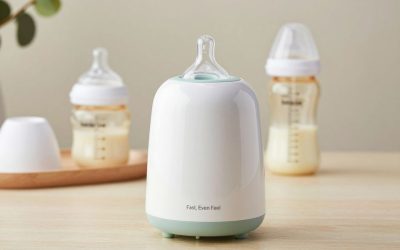
- Steam sanitizer: Electric sanitizers use steam heat to kill germs without boiling water on the stove.
- Dishwasher with a sanitize cycle: Many dishwashers have a “sanitize” setting that hits a high enough temperature to do the job.
Dr. Brown’s All-in-One Sterilizer and Dryer for Baby Bottles
A countertop unit that sanitizes with steam and then dries bottles in the same cycle, which skips the step of air-drying wet parts on a rack afterward.
Philips Avent Baby Bottle Sterilizer Advanced
A straightforward microwave or electric steam sterilizer that fits most bottle brands, not just Avent’s own, and is one of the lower-cost sterilizer options.
Baby Brezza Bottle Washer Pro
An appliance that washes and sanitizes bottle parts together, aimed at parents who want to skip hand-washing at the sink entirely.
Step 5: Air-Dry on a Dedicated Rack
Don’t towel-dry bottle parts — cloth towels can reintroduce bacteria and leave lint in nipple holes. Air-drying on a rack reserved only for baby items (not the regular dish rack) keeps bottle parts separate from other kitchen germs until the next use.
Lifewit Baby Bottle Drying Rack
A countertop rack with vertical hooks sized for bottles, nipples, and pump parts, keeping everything upright and separated while it air-dries.
How Often Should You Replace Nipples and Bottles?
Silicone nipples typically need replacing every 1-2 months, or sooner if you notice cracking, discoloration, or stickiness — a damaged nipple can tear in a baby’s mouth. Bottles themselves can last much longer if they’re BPA-free plastic or glass and show no cracks, but any bottle with cloudiness, scratches, or a persistent odor after washing should be retired.
FAQ
Do I need to sanitize bottles every single time?
No — for most healthy babies past the newborn stage, washing after every use plus sanitizing once a day is enough, per CDC guidance. Newborns and immunocompromised babies may need sanitizing after every use.
Is dish soap enough, or do I need a special baby bottle soap?
Regular dish soap rinsed thoroughly is fine. Fragrance-free or baby-specific dish soap is a preference, not a safety requirement, as long as rinsing is thorough.
Can I reuse bottle water from boiling to sanitize multiple times?
Each sanitizing session should use fresh water brought back to a full boil — reused water that’s cooled down won’t reliably kill germs on the next batch.
What about pump parts — do the same rules apply?
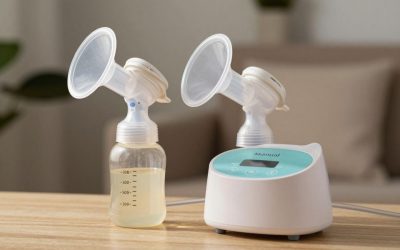
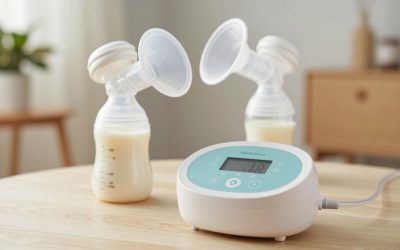
Yes. Breast pump parts that touch milk (flanges, valves, tubing connectors) follow the same wash-then-sanitize routine as bottle parts, and the CDC’s guidance on cleaning feeding items explicitly covers both. Many of the countertop sterilizer and drying-rack products mentioned above are sized to fit pump parts alongside bottles, which saves having to run a separate cleaning routine for each.
Write Your Review
No reviews yet. Be the first to share your experience!