Not every breastfeeding parent needs the same pump setup. A manual pump and an electric pump solve different problems, and plenty of parents end up owning both rather than picking one over the other. Here’s how to think about which one fits your situation.
What Each Pump Is Actually Good For
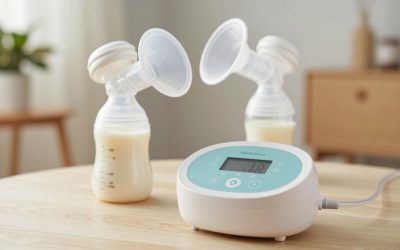
Manual pumps are hand-operated, quiet, and need no batteries or outlet, which makes them a reliable backup for travel, power outages, or occasional relief pumping. They’re slower and only work one side at a time, so they’re not practical for parents pumping multiple times a day. Electric pumps — especially double electric pumps — are built for frequent or exclusive pumping, with stronger suction and the ability to pump both sides at once, cutting session time significantly.
Top Manual Pumps
1. Haakaa Gen 2 Silicone Manual Breast Pump
The Haakaa is less a traditional “pump” and more a suction-based silicone catch device, and it has become one of the most popular low-effort manual options for catching letdown from one side while nursing on the other.
Pros: No moving parts to break; very easy to clean; genuinely useful for catching letdown milk that would otherwise be wasted.
Cons: Not designed for active, deliberate pumping sessions the way a handle-operated pump is.
2. Medela Harmony Manual Breast Pump
The Medela Harmony is the most widely recommended traditional handle-operated manual pump, with a two-phase expression technology mimicking a baby’s natural nursing rhythm.
Pros: Well-established, widely available replacement parts; genuinely portable for travel bags; no power source needed.
Cons: Hand fatigue is real with extended use; only expresses one side at a time.
2b. Lansinoh Manual Breast Pump
Lansinoh’s manual pump is a frequently recommended budget alternative to the Medela Harmony, using a similar ergonomic handle design at a lower price point for parents who mainly want an occasional backup rather than a primary pumping tool.
Pros: Lower price than the Medela Harmony; simple, intuitive handle operation; compact for a diaper bag or travel kit.
Cons: Fewer replacement part options available compared to the more established Medela line.
Top Electric Pumps
3. Spectra S1 Plus Electric Breast Pump
The Spectra S1 Plus is repeatedly named a top overall electric pump, including a built-in rechargeable battery that makes it usable away from an outlet, which is unusual at this price point.
Pros: Hospital-grade strength; built-in rechargeable battery for cord-free use; quiet motor relative to similar pumps.
Cons: Bulkier than wearable pumps if portability during the session itself matters to you.
4. Momcozy M5 Wearable Electric Breast Pump
Momcozy’s wearable pumps are built to fit inside a regular bra, letting parents pump hands-free while doing other things, which matters a lot for parents returning to work.
Pros: Hands-free, fits inside a bra; portable and rechargeable; no tubing to manage.
Cons: Suction strength generally trails dedicated hospital-grade pumps like the Spectra.
5. Medela Pump in Style with MaxFlow
Medela’s Pump in Style line remains one of the most widely used double electric pumps, partly due to broad insurance coverage and wide availability of replacement parts, and the MaxFlow update is designed to maintain suction strength more consistently throughout a session than earlier versions.
Pros: Broad insurance coverage availability; widely available replacement parts and accessories; consistent suction via MaxFlow technology.
Cons: Bag-style carrying case is bulkier than newer compact electric pumps.
Buying Tips
If you’re pumping occasionally — for a date night, a single missed feeding, or relief from engorgement — a manual pump or a Haakaa-style catch device is usually enough. If you’re pumping multiple times a day, exclusively pumping, or returning to work, an electric double pump will save real time and physical strain. Many parents keep a manual pump as a lightweight travel backup even after buying an electric one.
Flange fit matters just as much on a manual pump as on an electric one, and it’s a detail that’s easy to overlook when the whole appeal of a manual pump is its simplicity. An ill-fitting flange on a handle-operated pump like the Medela Harmony or Lansinoh can cause the same discomfort and reduced output as a poorly fitted electric pump flange, so it’s worth checking your correct size using the same sizing guides breast pump brands provide for their electric models, rather than assuming manual pumps are more forgiving simply because they’re hand-powered.
FAQ
Will insurance cover an electric breast pump?
Many US insurance plans cover at least one electric pump per pregnancy under the ACA, though the specific model options vary by provider — check with your insurer before buying out of pocket.
Is a more expensive electric pump always stronger?
Not necessarily — price often reflects portability features (wearable design, battery life, app connectivity) rather than raw suction strength.
Can a manual pump maintain milk supply as well as an electric one?
For occasional use, yes, but for exclusive or frequent pumping, electric pumps are generally more effective at fully draining the breast consistently, which matters for supply.
Can a Haakaa-style catch device replace an electric pump entirely?
No — devices like the Haakaa work mainly by catching passive letdown while nursing on the other side, and they are not designed to generate the active, deliberate suction needed for full, scheduled pumping sessions.
Is it worth owning both a manual and an electric pump?
Many parents do, keeping the manual pump as a lightweight travel backup, for power-outage situations, or as a quick-grab option for an occasional missed feeding, even after investing in a primary electric pump for regular use.



Write Your Review
No reviews yet. Be the first to share your experience!